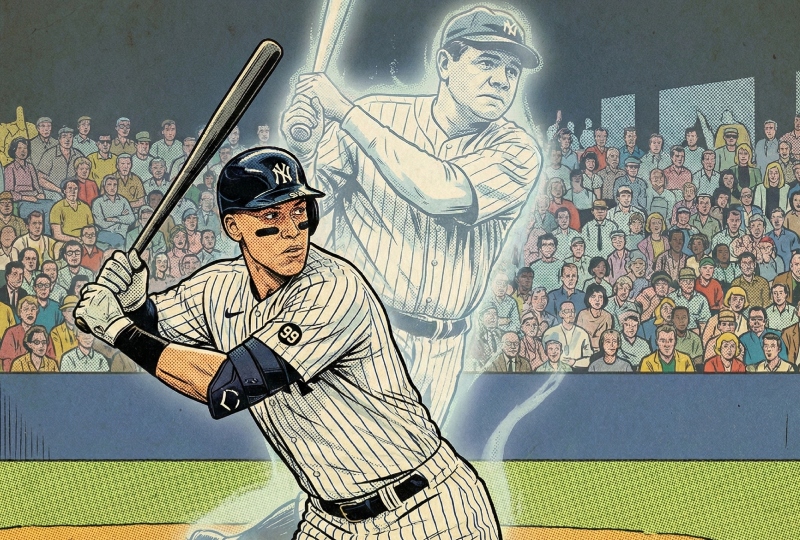
Baseball’s most iconic moments often start with a single sound: the clean crack of a bat sending a ball toward the seats. Home runs have shaped the sport’s mythology for more than a century, defining eras, elevating stars, and fueling debates about who truly belongs among the game’s greatest sluggers.
Comparisons across generations captivate fans because they reveal how the sport evolves, how athletes adapt, and how enduring the pursuit of power remains.
Today’s hitters operate in a landscape shaped by data, biomechanics, and advanced training, worlds apart from what Babe Ruth or Hank Aaron experienced, yet the same question lingers: how does modern power stack up against the giants who came before?
Swing Mechanics: From Natural Swings to Data-Driven Precision
The evolution of swing mechanics reveals how modern hitters generate power in ways that build on, but differ sharply from the iconic techniques of past home run legends.
Legendary Swing Profiles: Iconic Techniques That Shaped Baseball’s Past
Past greats relied on athletic instinct rather than analytics. Babe Ruth produced unmatched power with a heavy bat, while Hank Aaron and Willie Mays combined efficiency and coverage in pitcher-friendly eras.
Ken Griffey Jr.’s smooth, natural swing became iconic without modern engineering. These contrasting styles show how different mechanics across generations can still lead to greatness.
Modern Swing Profiles: Technology-Driven, Optimized for Flight
Modern sluggers build their swings around measurable efficiency, tuning launch angles and bat paths to maximize lift against high-spin fastballs. Their mechanics are shaped by data from high-speed cameras and tracking systems, creating a precision-focused approach that consistently generates power.
This data-driven refinement allows hitters to tailor their swings to individual pitchers and game situations with unprecedented accuracy. Fans who follow season-long home run races often turn to the latest numbers and projections, including the latest odds available on major betting platforms. These snapshots reflect changing expectations and help frame the stakes of each milestone pursuit.
The Challenges of Leveling the Field Across Generations
Home run totals rarely tell the full story. The baseball has changed, ballparks have evolved, and the global talent pool has grown significantly, while strike zones and mound heights have shifted over time.
Era-adjusted metrics help level these differences by comparing players to the competition of their day, often placing modern greats like Barry Bonds, Willie Mays, and Hank Aaron ahead of Babe Ruth once context is factored in.
These insights emphasize how challenging Ruth’s era was to interpret. Segregation limited the competition he faced, while Mays and Aaron played when pitchers held significant advantages. Griffey Jr. put up Hall of Fame numbers in the middle of the steroid era, maintaining a reputation for clean, elite production.
Modern sluggers operate in a world of extreme pitching velocity, sophisticated scouting, and specialized bullpens. Comparisons between sluggers mirror the way analysts compare historic teams. An example appears in the discussion of the Dodgers’ place in MLB history. Both exercises remind fans that greatness is always shaped by era.
How Power Has Faded, Surged, and Evolved
Trends in home run production reveal key shifts that shaped the careers of every slugger being compared:
- Ruth’s rise marked the end of the dead-ball era and triggered baseball’s first true power surge,
- Aaron and Mays thrived during a pitcher-friendly period, enhancing the value of their achievements,
- Griffey Jr. produced star-level power while competing with inflated numbers across the league,
- Modern Statcast-era hitters play in an environment where optimized swings and aerodynamic baseballs have led to historic home run totals, reaching a peak of 6,776 leaguewide in 2019.
Environmental factors quietly influence power numbers. Smaller ballparks, high elevations, and even warmer temperatures have statistically increased home run distances. Teams now tailor their rosters to their home fields, crafting lineups around stadium strengths in a way early players never experienced.
Fans interested in data-driven discussions of these shifts often explore resources such as FanDuel Research, which displays breakdowns of trends and player-level analysis that enrich the broader story of baseball performance.
How Today’s Stars Compare With the Legends They Chase
Direct comparisons with modern sluggers reveal how dramatically the game has evolved while preserving the same thrill.
Shohei Ohtani vs Babe Ruth: Redefining Two-Way Greatness
Shohei Ohtani represents a two-way brilliance that mirrors Ruth’s legacy. His home run output consistently ranks among the league’s best, backed by elite exit velocity and modern training methods.
He performs in an environment with far tougher pitching than Ruth ever faced. Their comparison highlights how modern athleticism and data-driven development have elevated the two-way role far beyond what was possible in Ruth’s era.
Aaron Judge vs Hank Aaron: Power Meets Precision
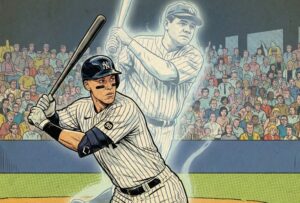
Aaron Judge channels the imposing strength of Hank Aaron with the refined mechanics of the Statcast age. His 62-homer American League record in 2022 placed him firmly among baseball’s most memorable performers, and his discipline at the plate adds a level of precision seldom seen in high-power hitters.
Emerging Power Profiles Redefining Modern Slugging
Cal Raleigh represents the rise of power in traditionally defense-first positions, using optimized launch angles to drive consistent home runs. Kyle Schwarber epitomizes the “three true outcomes” approach, trading batting average for elite power. Oneil Cruz showcases modern athletic ceilings with extraordinary strength and some of the hardest-hit balls ever recorded.
These examples demonstrate a shift toward specialization. Many modern hitters are trained specifically to elevate the ball, while legends often valued a more balanced offensive approach.
The Everlasting Appeal of Baseball’s Biggest Swings
Comparing today’s sluggers with the heroes of baseball’s past reveals a story that stretches beyond statistics. Advances in science, training, and analytics have reshaped expectations and expanded what seems possible, yet each era redefines excellence in its own way.
Fans continue to marvel at towering home runs, debate record chases, and celebrate the players who rise above their peers.
From Ruth’s revolutionary power and Aaron’s steady brilliance to Griffey’s elegance and the explosive athleticism of Ohtani and Judge, the home run remains a timeless thread connecting generations. The pursuit of greatness may change form, but it unites every hitter across baseball history.